Freight Forwarding Services in Felixstowe

Moving goods through the UK's largest container port.

Felixstowe handles 48% of Britain's containerised trade. Over 4 million TEUs annually. Direct access to 700 ports worldwide and 15 UK destinations by rail.


Customs clearance, freight forwarding and warehousing for businesses importing and exporting through Suffolk's premier container port.

Instant Quote

See how much you could save with us

Premium Digital Asset Available
This established freight forwarding domain is available to rent for experienced operators. Enquiries:

+44 7727 261020

1000's

Happy clients to date

100+

Years experience

FREE

Quote handled by professionals

Your Freight Dream Team

Experience the peace of mind knowing that your shipment is being handled with the utmost care and attention to detail from one of the UK's premier freight forwarding companies.


Our team of experts, based in Felixstowe, offer a full range of customs clearance services for shipments arriving at all major UK ports and airports. With our in-house software, we have a direct link to HMRC and other government departments, ensuring that every aspect of the import process is handled smoothly and legally.


Trust us to handle every aspect of your shipment with precision and care, giving you complete peace of mind.

Fast and Efficient UK Clearance

Customs Clearance

Full HMRC customs clearance for imports and exports through Felixstowe. Commodity classification, duty calculations, import declarations. Freeport East benefits available - simplified procedures and duty deferrals.

Get A Quote
business woman seeking customs clearance quote
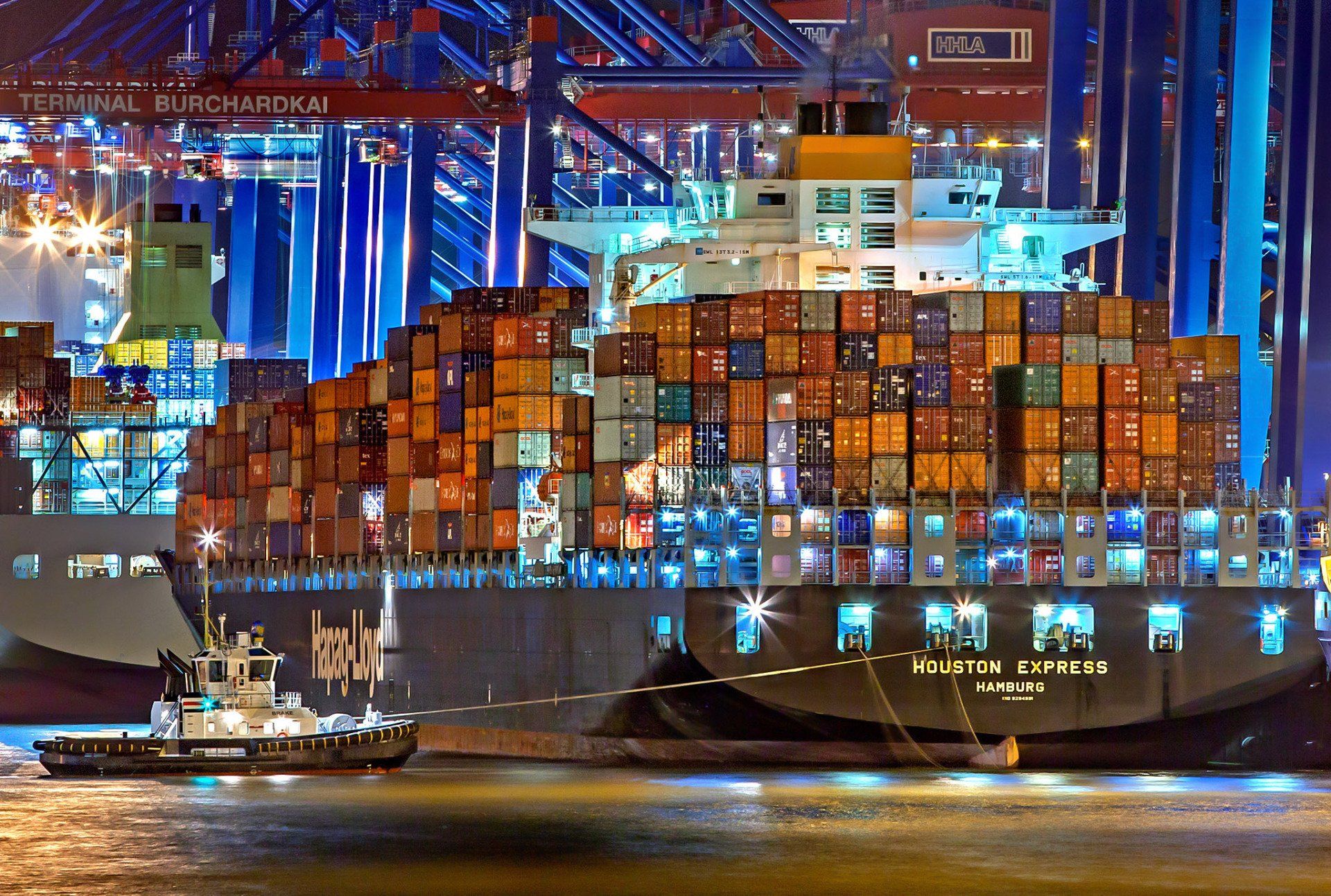
container ship at port

Freight Forwarding

Vessel booking, shipping line coordination, UK delivery. Access to 2,000+ annual ship calls serving 700 global ports. Rail and road transport to anywhere in the UK

Get A Quote

Warehousing and Distribution

Secure storage minutes from Felixstowe port. Container devanning, palletisation, order fulfilment. Lower drayage costs, faster turnaround than distant facilities.
Get A Quote
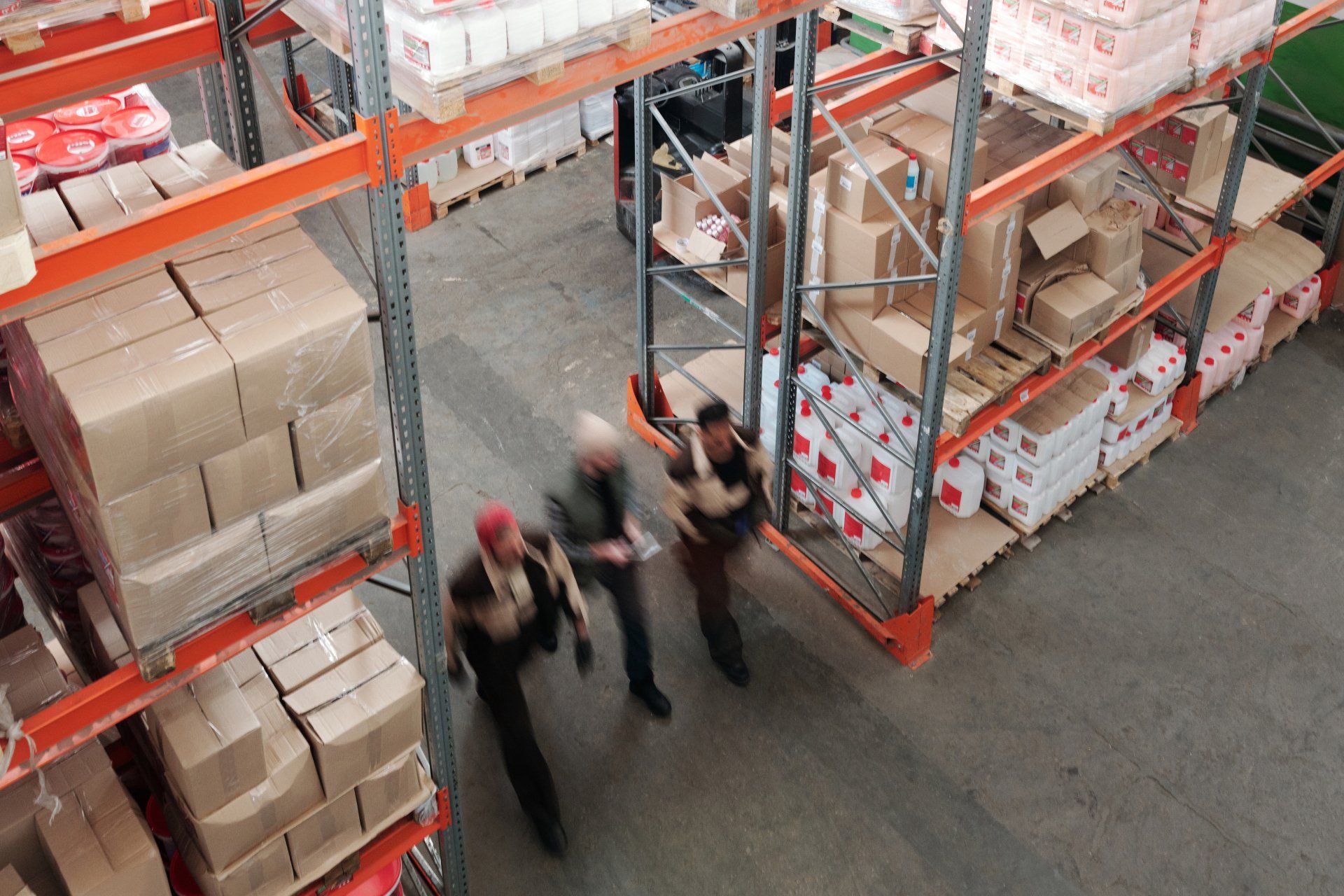
top down view of warehouse

Why Felixstowe

  • 48% of UK containerised trade - Britain's largest container port by significant margin
  • Deep water berths - accommodate vessels up to 24,000 TEUs (world's largest container ships)
  • Rail connectivity - 58 trains daily to 15 UK destinations, 70% to Midlands Golden Triangle
  • Strategic location - Suffolk coast on major European shipping lanes (Hamburg-Le Havre routes)
  • Road links - A12 to London, A14 to M6, A1 to Scotland and North East
  • 24/7 operations - year-round port operations, no closure periods
  • Freeport East status - tax advantages and simplified customs procedures


More about us

What people say about us?

Don't just take it from us

Frequently Asked Questions

  • What does a freight forwarder do in Felixstowe?

    Coordinates the movement of goods through the port - booking space on vessels, arranging customs clearance, organising transport to your warehouse. They handle shipping line negotiations, complete documentation, manage the logistics so your cargo gets from ship to destination without you needing to deal with each step separately.


    Most businesses importing regularly don't want to book vessel space directly, handle their own customs declarations, then arrange separate road or rail transport. Freight forwarders do all three as a single service.

  • Why is Felixstowe important for UK freight forwarding?

    It's the UK's largest container port by considerable margin - handles 48% of Britain's containerised trade. Over 4 million TEUs move through annually, with 2,000+ ships calling from 700 ports worldwide.


    The port can accommodate vessels up to 24,000 TEUs, which most UK ports can't. Deep water berths and modern infrastructure mean the world's largest container ships dock here regularly. That attracts shipping lines, which creates service frequency and competitive rates.


    Location on major European shipping lanes (Hamburg-Le Havre routes) means it's the natural UK stop for vessels already running those services. For businesses, that translates to more sailings, more carrier options, better freight rates than secondary ports.


    Rail connections to the Midlands - 58 trains daily to 15 UK destinations - mean containers move inland fast. Seventy percent go directly to the Midlands Golden Triangle by rail, avoiding road congestion entirely.


    If you're importing or exporting containers in volume, Felixstowe's infrastructure and connectivity are difficult to match elsewhere in the UK.

  • What is customs clearance and why does it matter at Felixstowe?

    Customs clearance is the process of getting HMRC to officially release your goods when they enter or leave the UK. Involves submitting declarations, paying applicable duties and taxes, ensuring everything complies with regulations.


    At Felixstowe, with thousands of containers arriving daily, proper customs clearance is the difference between your shipment leaving port in hours or sitting there for days.


    Common delays: incorrect commodity codes (HMRC queries the classification), missing certificates (origin, health, conformity documentation), incomplete commercial invoices, duty payment issues. Get any of those wrong and clearance stops until it's corrected.


    Professional customs clearance means someone registered with HMRC as an intermediary submits your declarations correctly first time. They know which certificates your goods require, how to classify them properly, what documentation HMRC expects. That knowledge is what turns a potential 3-day delay into a 2-hour process.

  • Do I need a BIFA registered freight forwarder?

    Not legally, no. BIFA (British International Freight Association) membership isn't a legal requirement for freight forwarders to operate.


    But it's a useful indicator. BIFA members have to meet industry standards for professional conduct, maintain professional indemnity insurance, and adhere to BIFA trading conditions that protect customers. If something goes wrong - shipment delayed due to forwarder error, documentation mistakes, financial issues - BIFA membership means there's insurance backing and standards enforcement.


    Most established freight forwarders at Felixstowe are BIFA members because the credibility matters when dealing with shipping lines and major importers. It's not a guarantee of quality, but it's a baseline of professional standards and insurance coverage that matters when you're trusting someone with £50,000 worth of cargo.


    Non-BIFA forwarders aren't automatically problematic, but you need to verify their professional indemnity cover and track record more carefully.

  • How long does customs clearance take at Felixstowe?

    Standard clearance with correct documentation: 1-3 hours typically.


    In practice? Depends entirely on whether you've got the paperwork right. Commodity code correct, all required certificates included, commercial invoice complete, duty payment arranged - then yes, few hours and you're clear.


    Miss something and you're waiting for HMRC to flag it, query it, wait for your response, then review again. What should have been a 2-hour process becomes 2 days. Sometimes longer if certificates need to be obtained or declarations need amending.


    This is why experienced customs brokers matter - they know which goods need which certificates, how to classify items correctly, what HMRC looks for in declarations. First-time importers often underestimate how specific the requirements are. Get commodity code wrong by one digit and the whole declaration fails.


    Fastest clearances we see: businesses using the same customs broker for regular shipments of similar goods. Broker knows the products, has templates for declarations, spots potential issues before submission. Slowest: one-off importers trying to handle their own customs on goods they've never imported before.

  • What's the difference between a freight forwarder and a customs broker?

    Freight forwarder arranges transportation - books shipping, coordinates delivery, manages logistics from origin to destination.


    Customs broker handles customs documentation and clearance specifically - submits declarations to HMRC, calculates duties, ensures regulatory compliance.


    Many Felixstowe freight forwarders do both. They're registered as customs intermediaries with HMRC, so they can arrange your shipping and handle customs clearance as a combined service. Single point of contact for the entire process.


    Some only do forwarding and partner with separate customs brokers. Others specialise in customs only and don't touch the transportation side.


    For regular importers, using a forwarder who handles both usually simplifies things - one company coordinates vessel booking through to UK delivery, including customs clearance in the middle. For complex goods requiring specialist customs knowledge (certain chemicals, controlled goods, items with unusual duty structures), sometimes a dedicated customs specialist makes more sense.


    Check whether your forwarder is registered as a customs intermediary with HMRC. If not, they'll need to subcontract customs clearance to someone else, which adds a layer of coordination.

  • Can Felixstowe handle large container shipments?

    Yes - it's designed for volume. The port processes over 4 million TEUs annually with berths that accommodate vessels up to 24,000 TEUs.


    Most UK ports can't handle ships that size. Felixstowe has deep water berths (up to 18 metres draft), 28 ship-to-shore gantry cranes, and nearly 2.4 kilometres of continuous quay. The infrastructure exists specifically to handle the world's largest container vessels.


    Operates 24/7, so vessels get unloaded whenever they arrive regardless of time or day. For businesses shipping full container loads regularly - whether that's 10 containers monthly or 100 - Felixstowe has capacity.


    Less than container load (LCL) shipments work too, consolidated with other shippers' cargo. But the port's real strength is volume handling for businesses importing or exporting at scale.

  • What are the transport options from Felixstowe port?

    Rail and road, with rail taking the majority.


    Rail: 58 freight trains daily to 15 UK destinations. About 70% of containers leaving Felixstowe go by rail, mostly to the Midlands Golden Triangle (Birmingham, Coventry, Leicester, Northampton area). Also direct services to Manchester, Leeds, various distribution hubs.


    Rail avoids road congestion and is generally cheaper for inland transport over 100 miles. Container goes from port to inland terminal by train, then final delivery by road if needed.


    Road: A14 connects directly to the M6 for the Midlands and North West. A12 runs south to London. A1 accessible for Scotland and North East. Most freight forwarders arrange road haulage as part of their service - either direct delivery to your warehouse or to a regional distribution centre.


    Which makes more sense depends on your location and volume. Regular shipments to the Midlands - rail's usually faster and cheaper. One-off delivery to a specific warehouse in Kent - road's more direct. Your freight forwarder coordinates whichever route works best.

  • Is Felixstowe part of a freeport?

    Yes, Felixstowe operates within Freeport East - one of the UK's freeport zones providing tax advantages and simplified customs procedures.


    Benefits include business rate relief, enhanced capital allowances, employer national insurance relief, and simplified customs for goods moving through the freeport area. You can defer customs duties on goods stored within the freeport zone, which improves cash flow if you're importing for onward processing or distribution.


    Not every business benefits equally - depends on your operation. If you're importing goods, processing or repackaging them, then exporting or distributing across the UK, the duty deferral and tax reliefs can be significant. If you're just importing finished goods for direct sale, benefits are smaller.


    Worth discussing with your freight forwarder or customs broker whether freeport status provides actual financial benefit for your specific goods and business model. The simplified customs procedures generally help regardless, but the tax advantages depend on what you're doing with the goods.

  • What industries use freight forwarding services at Felixstowe?

    Manufacturing - components, machinery, raw materials. Retail - consumer goods, electronics, textiles, anything imported for resale. Automotive - parts, vehicles, specialised equipment. Construction - materials, tools, heavy equipment. Food and beverage - though perishables often use different ports with better cold chain facilities.


    Essentially any business importing or exporting containerised goods. Felixstowe's connections to Europe and global ports make it suitable for businesses with international supply chains requiring regular shipments.


    You'll see everything moving through - machinery from Germany, electronics from China, textiles from Bangladesh, timber from Scandinavia, wine from France, car parts from Japan. If it fits in a container and someone in the UK wants to buy it (or vice versa), it probably comes through Felixstowe at some point.


    The port handles both high-value and commodity goods. Doesn't specialise in specific cargo types the way some ports do - it's general container handling at serious scale.

  • How do I choose a freight forwarder in Felixstowe?

    Start with BIFA membership - indicates they meet industry standards and carry proper insurance.


    Check HMRC customs intermediary registration - if they're handling your customs clearance, they need authorisation to submit declarations on your behalf.


    Ask about experience with your specific trade routes. Forwarder regularly handling shipments from your origin countries will have relationships with shipping lines on those routes, understand the documentation requirements, know potential complications. Someone who's never handled imports from your region has to learn on your shipment.


    Warehousing - if you need storage near the port, find out whether they operate their own facilities or partner with local warehouses. Own facilities usually means faster container devanning and more control. Partnerships can work fine but add coordination steps.


    Professional indemnity insurance - mistakes in customs declarations or shipping instructions can be expensive. Make sure they carry coverage for errors and omissions.


    Geographic coverage for UK delivery - can they handle transport to your specific locations, or will they need to subcontract? Direct capability usually means better pricing and fewer coordination issues.


    References from businesses doing similar work to yours help more than generic testimonials. Forwarder handling fashion imports has different expertise than one moving industrial machinery. Ask for references from their clients in your industry if possible.

  • What documentation is needed for customs clearance at Felixstowe?

    Standard requirements: commercial invoice, packing list, bill of lading or airway bill, and any certificates specific to your goods.


    Commercial invoice needs to be detailed - description of goods, quantities, values, origin country, supplier information. Vague descriptions cause delays. "Electronic components" isn't specific enough. "Integrated circuits, silicon-based, for automotive applications" is what HMRC needs for proper classification.


    Packing list shows how goods are packaged - number of boxes, weights, dimensions. Helps with inspection if HMRC decides to physically check the shipment.


    Bill of lading proves ownership and gives customs authority to release goods to you.


    Certificates depend on what you're importing:


    Certificate of origin for goods benefiting from trade agreements

    Health certificates for food, plants, animal products

    Conformity certificates showing compliance with UK regulations

    Licenses for controlled goods

    Your customs broker should tell you which certificates your specific goods require. Requirements vary significantly - importing textiles needs different documentation than importing chemicals or machinery.


    Incomplete or inaccurate documentation is the main cause of clearance delays. The time spent getting paperwork right before shipment arrives saves days of delays once it docks.

Get A Quote

Recent logistics news & trends

Latest updates from the industry
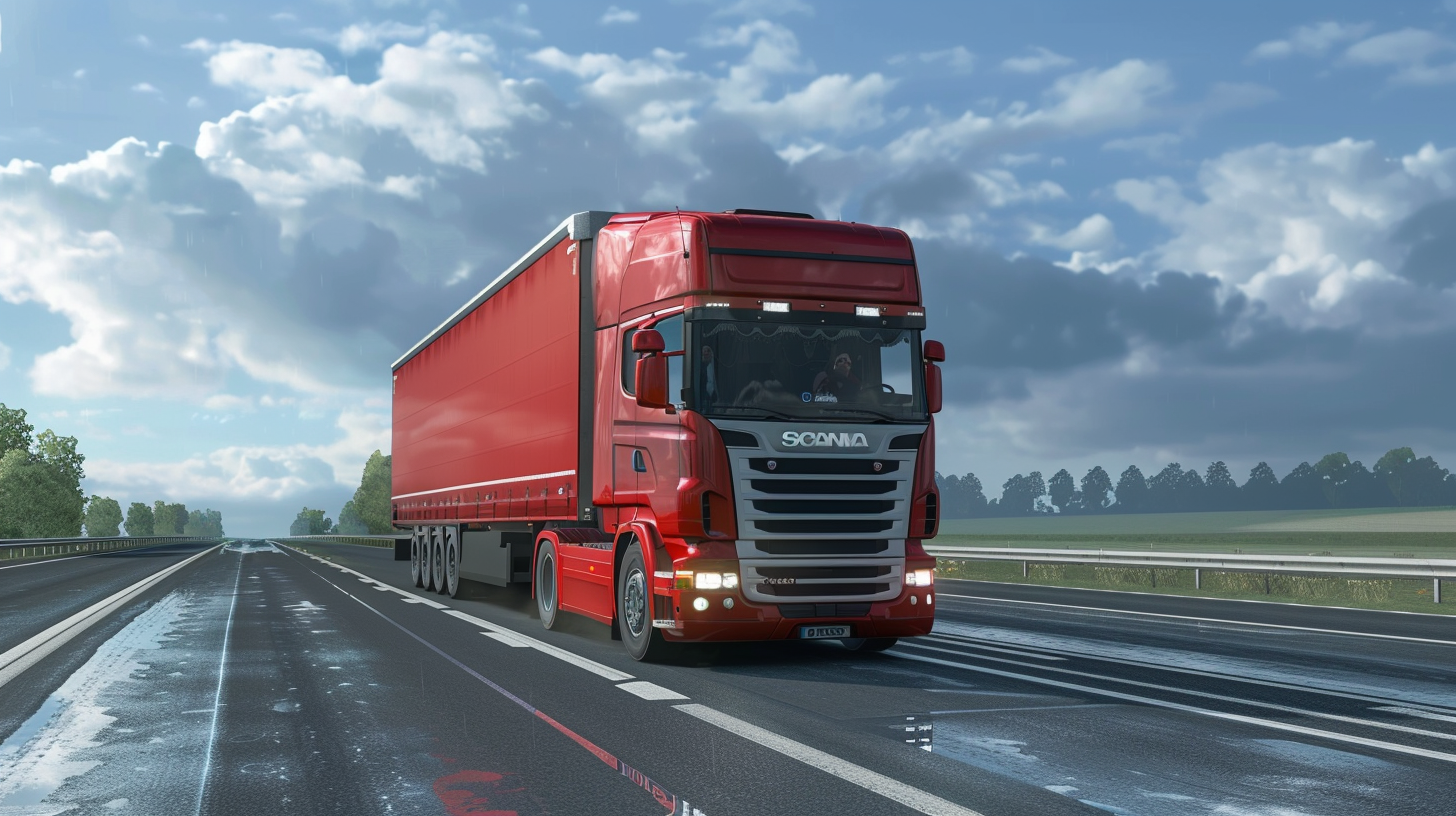
a red semi truck is driving down a wet highway .
March 12, 2024
Learn all about freight collect in shipping, including its definition, benefits, and how it works. Make your shipping strategy more efficient today.
a dock filled with lots of shipping containers next to a body of water .
March 12, 2024
Explore how freight management works and what it entails. Optimize your shipping process with these insights for greater efficiency
a cargo aeroplane is flying over a truck and a cargo boat in the ocean .
March 12, 2024
Protect your goods and your business with our comprehensive guide to freight insurance, including types, costs, and how to choose the right policy.
February 7, 2024
Find out what freight logistics is and how it can optimise your supply chain. Streamline your shipping process with these insights
a man is standing in a warehouse looking at a clipboard .
January 15, 2024
Learn what cost and freight (CFR) means in shipping, including how it differs from other Incoterms and what to consider when using it.
a truck is driving down a highway at sunset .
December 13, 2023
Discover the 7 most common types of freight trucks and their benefits. Choose the right truck to optimize your shipping needs today